Home Environment
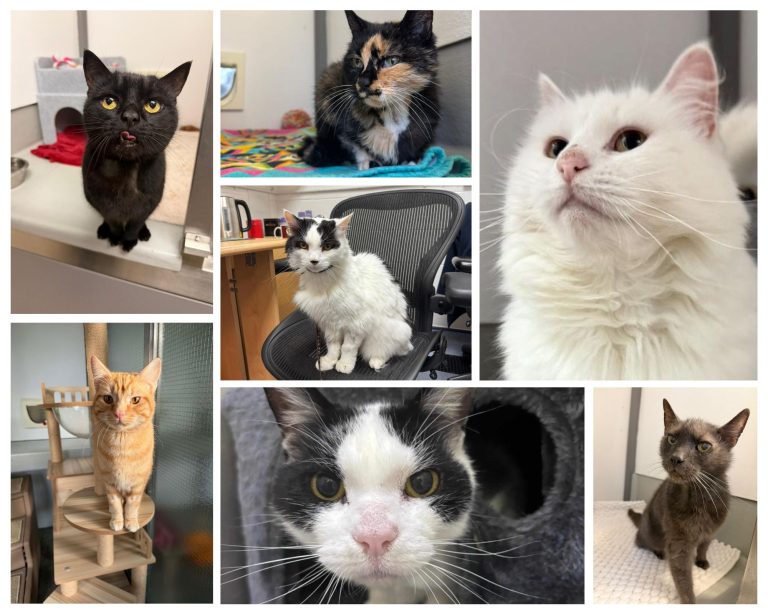
Cats can live in all types of homes; some are more suited to a home with access to lots of countryside, whilst others can be happy in a flat with a balcony. It all depends on the individual cat’s temperament and previous experiences. The cattery team at the JSPCA will aim to match the right cat to your home based on the cat’s previous history and temperament.
All cats need somewhere warm and dry to sleep, to be fed at least twice a day (dependent on the age and health of the cat). They need room to explore, exercise, play, and opportunities to express natural behaviours such as hunting and hiding.
When you take your newly adopted cat home, we recommend that you keep them indoors for 2 weeks so that they can settle in, get to know your family and their new routine. It is always best to keep the new cat in one or two rooms (where their litter tray will be kept) for the first couple of days. This will also ensure that the cat knows where its litter tray is, avoiding any unpleasant accidents. If the cat is still not settled after two weeks, then they may need to be kept in for longer. After two weeks, when the cat is about to be let out, it should be done before feeding time, so the cat will have a good reason to return home. When you decide to let the cat go outside. Do not force them out; allow them to do it in their own time. It’s a new territory, so they are likely to be cautious and take their time to get to know their new surroundings. Cats are very good at looking after themselves when they go out, so trust them to do things at their own pace. It is not recommended to carry the cat outside or to walk them on a lead outside.
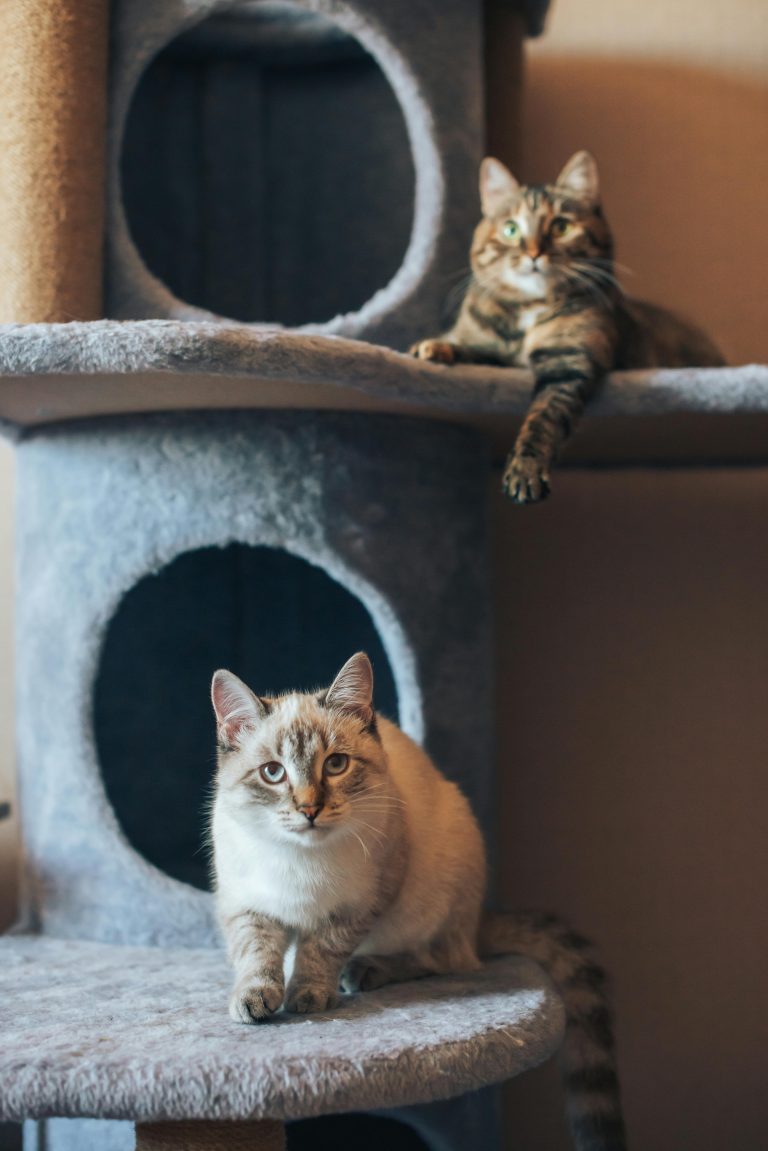
Cats will need their own bed whilst they are settling in. They may find the move to a new house quite scary, so it would be advisable to get an igloo-type bed that they can hide in, making them feel more secure. Cats need to scratch. To protect your furniture, it is best to get a good scratching post. Some cats like sisal rope posts with levels, while others prefer cardboard scratchers. It is best to offer them the choice.
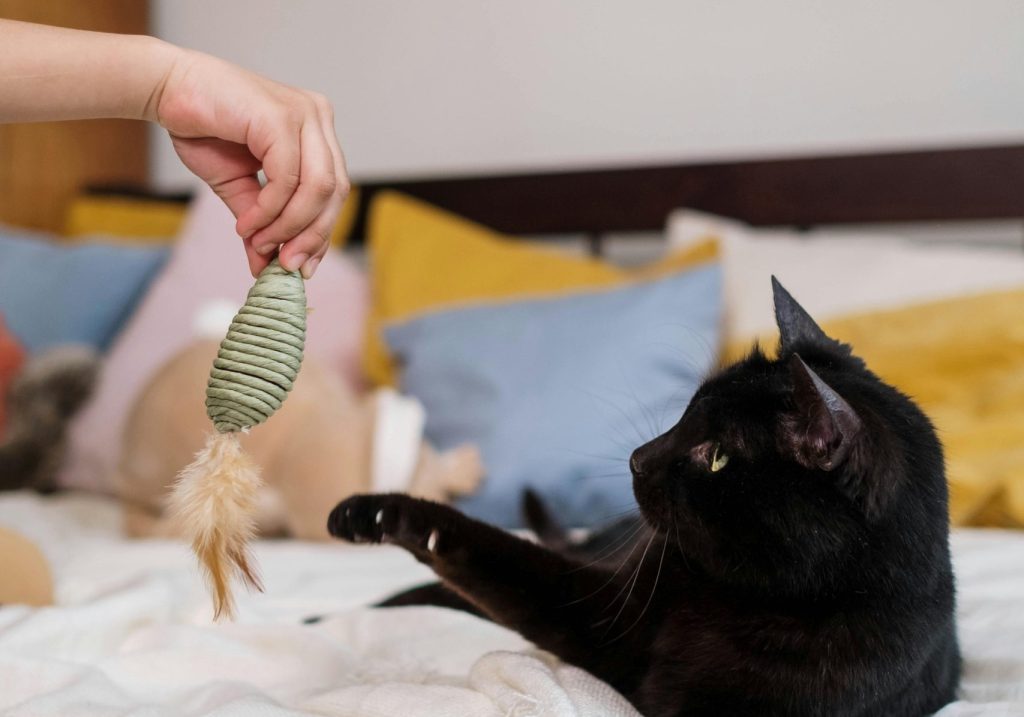
Cats like to play ‘hunting’ and ‘stalking’ games as a means of exercise. Provide a choice of toys for your cat, some like catnip toys, others like chasing balls or string toys. Playing with your new cat can help with the bonding process. Avoid using laser toys as this can overstimulate your new cat and give them no reward at the end (as they aren’t able to physically catch anything).
As your cat will be kept in for a minimum of two weeks, you will need litter trays. The general rule of thumb is one litter tray per cat plus one extra. Litter trays need to be placed away from where the cat eats and sleeps, in a quiet area of the house where the cat won’t be disturbed or frightened whilst toileting. Hallways and utility rooms are not always suitable as washing machines and dryers can be noisy, and hallways can be busy. Litter trays need to be cleaned daily, cats prefer to toilet in clean areas, and if their litter tray has urine or faeces in it, they may toilet outside of the tray.
Feliway is a synthetic pheromone which has been shown to help cats settle into their new home. We advise new cat owners to get a Feliway plug-in diffuser and put it in the room where your cat will initially be kept. Plug the diffuser in 24 hours before the cat arrives home. For cats that need outdoor access, you may need to put in a cat flap or have a window open. If you live in a block of flats and the cat would need to go out a few doors to get outside, then your home may be better suited to an indoor cat.
Indoor cats are generally not able to express natural behaviours such as hunting, and their lifestyle doesn’t offer as much stimulation as a cat that has access to the outdoors. Ideally, owners of indoor cats would provide more enrichment for their cats so that they don’t get bored. Boredom sometimes leads to behaviour problems such as aggression toward family members. Some options for enrichment are feeding the cat out of puzzle feeders to provide mental stimulation, playing with the cat regularly and bringing some things from the outside in for them to explore. Cats are generally most active early mornings and evenings, so these are good times to try to encourage play. Cats can get bored with the same toys, so put some toys away and only bring out two or three at a time for a few days and then switch them out. This can help to keep the toys interesting, ensure you have different types of toys, different textures and those that encourage different ways of playing. Owners can also collect things from the outside and bring them in for the cat, such as dry leaves in Autumn. Most cats love cardboard boxes, so let them play with the boxes your post is delivered in. The idea is to make indoor life as interesting as you can.
Diet
When you take your new cat home, you should continue feeding the diet they had whilst at the JSPCA until they settle in. If you wish to change the cat’s diet after this time, we advise you do this gradually over a period of 5-7 days to avoid any gastrointestinal upset. Cats are true carnivores and require a high-protein, meat-based diet to remain healthy. Only meat contains the nutrients essential for a cat’s normal development, and therefore it is NOT possible to maintain a cat or kitten on a vegetarian diet. The manufacturer’s instructions will usually indicate how much food a cat will need each day. This may need to be adapted slightly, according to the animal’s appetite, activity levels and weight. Most cats are unable to digest the lactose in cow’s milk. If you wish to give milk to your cat, feed a lactose-reduced milk such as the specially formulated cat milks that have been produced by pet food manufacturers.
Cats should always be fed from their own food bowl, and any uneaten food should be removed before it goes stale. Fresh water must be available at all times and should be provided in a separate dish. Both the food and water bowls should be washed after every meal. Cats prefer to have their water and food bowls kept separate from each other; it’s best to keep them in different areas.
Obesity is commonly seen in cats. Cats should not be overfed. Being overweight can lead to health complications.

Company
Cats are generally a solitary species. They are often quite content as the only pet; however, many cats have learnt to tolerate living with another cat and/or dogs. Some cats do become bonded to other animals, although this is the minority.
Handling
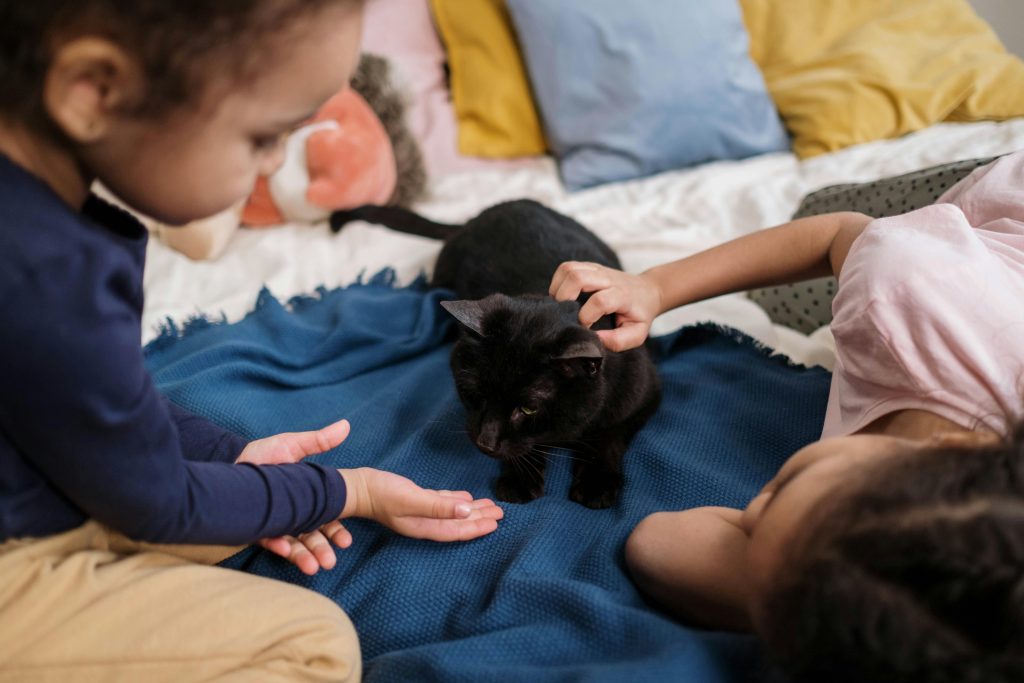
Most cats like brief, low-intensity, frequent interactions, while we humans generally prefer high-intensity and infrequent interactions. This is where cats and humans sometimes clash. Allow your cat to come to you for attention, if you’re not sure whether they’ve had enough affection or would like more. Stop for a second and just offer your hand to them. If they want more attention, they will rub up against your hand. Cats’ favourite place to be stroked is the head and cheeks. Some will tolerate the rest of their body being stroked, and some enjoy it. Some cats really don’t like the bottom of their back near the base of the tail being stroked and find this overstimulating, while others love it, so stroke with caution! If a cat rolls over and shows you their belly, this is not always an invitation for belly rubs, and you could get a nasty scratch or bite if you try. A few cats do seem to like belly rubs, so stroke with caution and don’t let children stroke cats’ bellies.
Some cats don’t like to be picked up, cuddled and/or carried. It depends on the individual cat and their previous experiences. It is best not to touch cats when they are playing and pretending to ‘hunt’ as they might be overstimulated at that time, and your hand could be treated as prey. If your cat is nervous, they should be left alone to come out and be sociable when they are ready. When cats are frightened, they tend to try to hide, push themselves into corners or go up to high places. They might have large eyes and pupils, flattened ears and a body position held low. They might be growling or hissing. When cats are friendly and happy to see you, they’ll approach you with their tails up in the air and ears facing forward. Hold out your hand, and they will rub up against it for affection.
Health and Welfare
All cats adopted from the JSPCA are neutered, microchipped and up to date with their vaccinations, flea and worm treatments. You will need to register your cat at a veterinary surgery before they are adopted.
If your cat develops any unusual symptoms, call your vet for advice and to book an appointment if necessary. Cats can hide pain very well, so pay close attention to changes in their behaviour. Vaccinations need to be done annually, which also allows your vet to give your cat a check-up. Pet insurance is recommended to help pay for bills, as any injury or illness can become quite costly. Cats with long hair, such as Maine Coons and double-coated cats such as British or Exotic cats, should be groomed daily, and short-haired cats weekly. This is important to prevent matting, which can be painful and uncomfortable for cats. Long claws need to be trimmed; your vet should be able to do this, although your cat’s claws are likely to be maintained if they have scratching surfaces to use.
If you obtain a cat from somewhere other than JSPCA, it is recommended that females be spayed from the age of 12 weeks to prevent unwanted pregnancies. Males should be neutered to help prevent spraying of urine and roaming away from home. Neutering of males also reduces fighting between cats, which reduces the spread of life-changing and threatening diseases. When buying or adopting a cat, make sure that you are supporting a person or organisation that has cared for the cats properly, taking into consideration the cat’s health and socialisation if they are a kitten. Ensure you are getting a cat with the right temperament for your home environment, for example, a busy home is better suited to a bold cat and nervous cats are better suited to quieter homes.
Shopping list
- Bed
- Scratching post
- Large litter trays
- Litter
- Bowls for food and water
- Food
- Toys