
Cats generally learn to use a litter tray or go outside with very little guidance, as this behaviour comes naturally to them. Despite this, inappropriate toileting (urinating or defecating outside the litter tray and around the home) is one of the most common behavioural problems seen in cats.
Why does my cat do this?
There are various reasons why a cat might do this, but it is important to rule out medical conditions first. Conditions can include urinary problems, such as urinary tract infection (UTI), gastrointestinal problems, bladder crystals or stones, pain related issues such as arthritis making it difficult to get into the tray or climb out the window to get outside and medical conditions that increase urine volume, such as diabetes and kidney disease. To rule out a medical condition, the cat needs to be taken to the vet for a check-up, the vet will get a urine sample and might do blood tests. If the cat doesn’t have a medical condition, then you can look at possible behavioural reasons.
Cats can be very sensitive to stressors. Some cats are more prone to being anxious and stressed than others. The act of urinating brings a feeling of relief, a positive emotion. Just think about the last time you were nervous, perhaps before a job interview or a date. Suddenly, you feel the urge to use the toilet, even though you don’t have a full bladder; it’s your body’s way of trying to relieve that anxious feeling.
Possible causes of stress:
- A new person in the household, perhaps a new baby or a loud guest staying over
- Other pets in the house
- The cat doesn’t have outlets for natural behaviours such as hunting and exploring
- Other cats in the neighbourhood
- Feeling very attached to someone and stressed when they leave the house
- Loud building work either at home or in the neighbourhood
- Any new furniture in the house
- Is the household going through a stressful time, such as lots of arguing or possible family separation?
First, look at the cat’s litter tray and where it is placed in the house. Is it somewhere noisy with people often passing? Does the type of litter hurt their paws? Do you use litter tray liners that their claws get stuck in when they are digging in the litter? How often is the litter tray being cleaned?
Sexual behaviour/ territorial marking
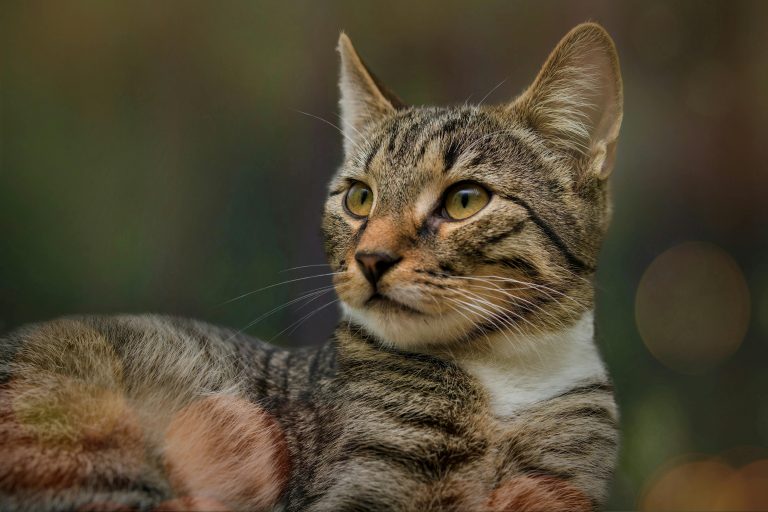
Is your cat spraying, marking or doing a normal wee? Look at their body position when urinating and think about where they are urinating. When spraying, a cat usually backs up to a vertical object, stands with their body erect, and their tail extended straight up in the air. Often, their tail and sometimes their entire body twitches while they are spraying.
A cat might be spraying to mark their territory. It might be due to stress caused by a neighbouring cat that makes them feel threatened, or they might find it stressful living in a multi-cat household and feel the need to establish their space in the territory. When cats pass faeces in prominent areas and don’t cover it, they are territory marking.
Learned behaviour
If the issue was due to a medical problem that has since been resolved, it is possible that the cat will still urinate outside of the litter tray. Some medical conditions can be quite painful when passing urine, and it is possible that the cat associated the pain of urinating with being inside the litter tray. They don’t necessarily understand that the pain they are experiencing is because of an illness.
Has the cat been punished for urinating outside their tray? If so, they may associate urinating and being seen by their owner as negative, so they may be trying to hide when they go to the toilet.
No reason for it?
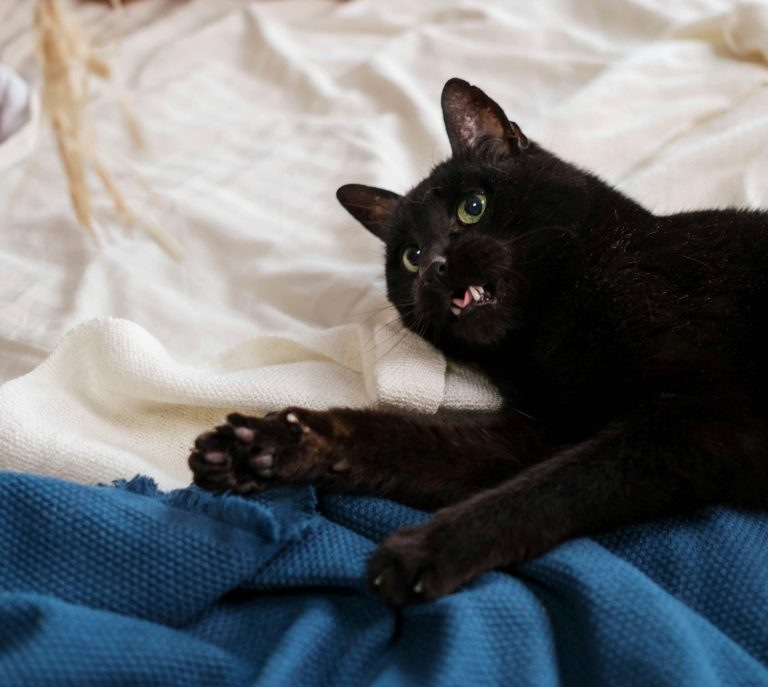
Cats do not exhibit this behaviour to be spiteful, to get back at you for something or because they’re naughty. They don’t do this to upset you; they are usually doing this because something is upsetting them, and that is what needs to be addressed to solve the problem.
What do I do about this problem?
First, always speak to your vet. If medical problems are ruled out, try to identify the problem and possible causes. The areas that have been urinated on need to be cleaned with a solution that breaks down the enzymes in the urine. Don’t use products containing ammonia, such as bleach, as this will attract your cat back to the area. You can buy specific cat urine cleaning products from pet shops or use non-biological washing liquid mixed with water. If your cat has urinated on carpet or floorboards, these may need to be lifted out and replaced to get the smell out of the house and to prevent the cat from going back to the same area.
Litter tray set up is important to some cats; their placement, size, cleaning routine, number of trays and type of litter matter. Litter trays need to be in quiet areas of the house and away from high-traffic areas such as hallways. They need to be in a location the cat can always access, preferably not somewhere the cat gets shut out of sometimes, such as a bathroom. The litter tray needs to be big enough to allow for the cat to toilet and complete the toilet rituals of turning around and digging at the litter to cover over their business. Bigger trays are more comfortable for this. Older cats may also be more comfortable using trays with lower sides.
To reduce stress, try to identify the causes of stress and, if possible, remove it. If it is a person in the house, a new baby or building works, give your cat places they can go that are a peaceful retreat. Ensure the cat has plenty of places high up they can go, as cats feel safe when they are high up and can watch what is going on from a safe distance. Offer your cat places to hide where they won’t be disturbed. Close your windows so it is less noisy and put on the radio to try drowning out some noise.
If your cat is an indoor cat, make sure they have plenty of toys to play with. These toys need to be rotated so they stay interesting to the cat. Try to encourage play with toys on a string so they have an opportunity for chasing and hunting. Create challenges at feeding time by using puzzle feeders. You can also Google ‘cat enrichment’ for some ideas that keep creating mental challenges for your cat, making their days much more interesting.
All cats need to be provided with scratching posts, giving them an opportunity to scratch might eliminate the need to mark territory with urine, as scratching is also a way of marking territory. Not all cats like the same scratching surfaces, so you might need to offer a variety. Some like cardboard scratchers that lie on the floor and others like tall posts they can stretch up to. Many cats don’t like short, vertical posts as they are difficult to scratch, so make sure the ones you are offering are tall enough.
If there is another cat in the neighbourhood coming into your house, you may need to invest in a microchip cat flap. If another cat can be seen through a window or is staring into your house, then film stuck to the window may provide the privacy your cat needs. You might need to secure your garden in a way that prevents other cats from coming in, there are various products for this like the Protect-a-pet fencing.
Use of Pheromones can be very helpful in these cases. Use a Feliway plug in diffuser as well as Feliway spray. The diffuser should always be on, and the spray can be used on areas that the cat has toileted, once it’s been cleaned and dried. The spray can also be used on new furniture to prevent toileting or scratching on it.
A word on punishment
Shouting at the cat, spraying water at the cat, putting tin foil or citrus scented things at the site of urination or rubbing your cat’s nose in it are all punishments of the behaviour and don’t solve the root cause of the problem. It is very likely that they will exacerbate the problem as they add further stress and anxiety for your cat. Any punishment at all is not recommended.
All these tips will help to improve your cat’s mental state, which can help ease stress and anxiety. If the problem persists, you may need to call in a pet behaviourist.