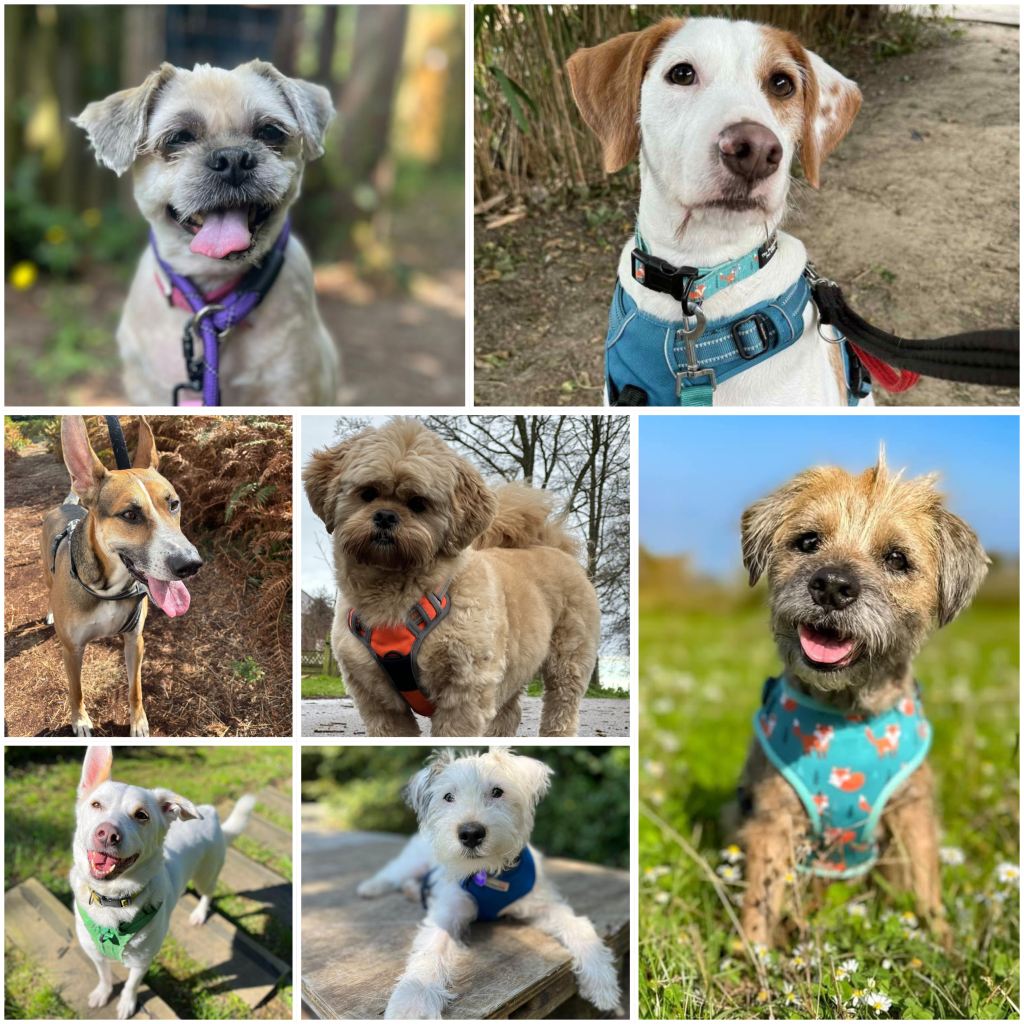
When you take your newly adopted dog home, they will need some time to settle. It’s a new environment, with new people, potentially new animals, and a different routine. As dogs adjust to a new home, they can feel stressed and may behave differently than they did when you met them at the shelter. Be patient, give them time and feel free to call the JSPCA for advice. Avoid scolding them, as you’re working to build a strong bond with your new dog, telling them off could set that back. Instead, consider taking them for a walk or offering a chew in a quiet area of the home to keep them occupied, helping them unwind and relax.
Not all dogs have the same needs, and their care requirements will depend on their breed, age and health. It’s important to understand your dog’s needs and to make sure they’re consistently being met. They need a comfortable place to sleep, a suitable diet, the ability to express normal behaviours, appropriate company and protection from pain, suffering, injury and disease.
Home Environment
Dogs should have a comfortable home and a quiet place to sleep, with a bed that’s the right size for them. The bed should be large enough for your dog to stretch out fully if they wish. The JSPCA does not recommend keeping dogs outside, but if you choose to do so, they must still have somewhere warm, dry and comfortable to rest, and they must have protection from the elements. If you’re considering putting your dog outside because of a behaviour issue, it’s important to first have them examined by a vet to rule out any underlying medical causes. You should also seek support from a qualified dog behaviourist or trainer to help address the problem appropriately.
Dogs should be given toys that are safe and appropriate for their individual size and play style. Larger dogs generally need bigger toys to reduce the risk of swallowing them whole and causing an internal obstruction. Dogs that tend to rip up and swallow toys should not be left unsupervised with them or given toys that can be easily destroyed.
Dogs should be given appropriate items to chew, as chewing is a natural and enjoyable behaviour for them. It can help them relax, relieve stress, and support dental health. If dogs aren’t provided with suitable chews, they may turn to items you’d rather they didn’t chew, such as furniture.

If you have more than one dog, make sure there are enough resources for each of them, including beds, toys, food bowls, chews, and water bowls. If any of the dogs are uncomfortable sharing, it’s best to separate them when you’re unable to supervise.
Many dogs enjoy car rides, as they are often taken along to various places. Ensure your dog is comfortable and safely secured while in the vehicle. Cars can heat up extremely fast, so it is very important that you don’t leave the dog in the car. On a day when the temperature is 22°C, a car can heat up to 47°C in just an hour. Leaving the windows slightly open does not keep the car cool enough for a dog. Dogs rely on panting to regulate their body temperature, which isn’t effective in a hot, stuffy car. Because dogs can die quickly from heatstroke, it is extremely important never to leave them in a parked car.
In warm weather, never leave dogs alone in a closed conservatory or caravan, as these spaces can become extremely hot. Keep up with their grooming to remove excess hair and help them regulate their body temperature. Walk dogs during the cooler parts of the day, such as early morning or late evening, and provide only short toilet breaks in the garden or brief walks outside during hotter hours.
In cooler weather and when it is raining, your dog may need to wear a coat, which will help to keep them dry and warm. In snowy conditions, pathways and roads may be treated with salt, which can be harmful to dogs. Be sure to clean their paws thoroughly when you return home. If it has snowed heavily, it might be best to keep your dog on a lead during their walk to prevent slipping and hurting themselves or running too far off and becoming disoriented. During shorter daylight hours, you may need to walk your dog in the dark. To stay safe and visible, it’s best to use a reflective collar or coat on your dog.
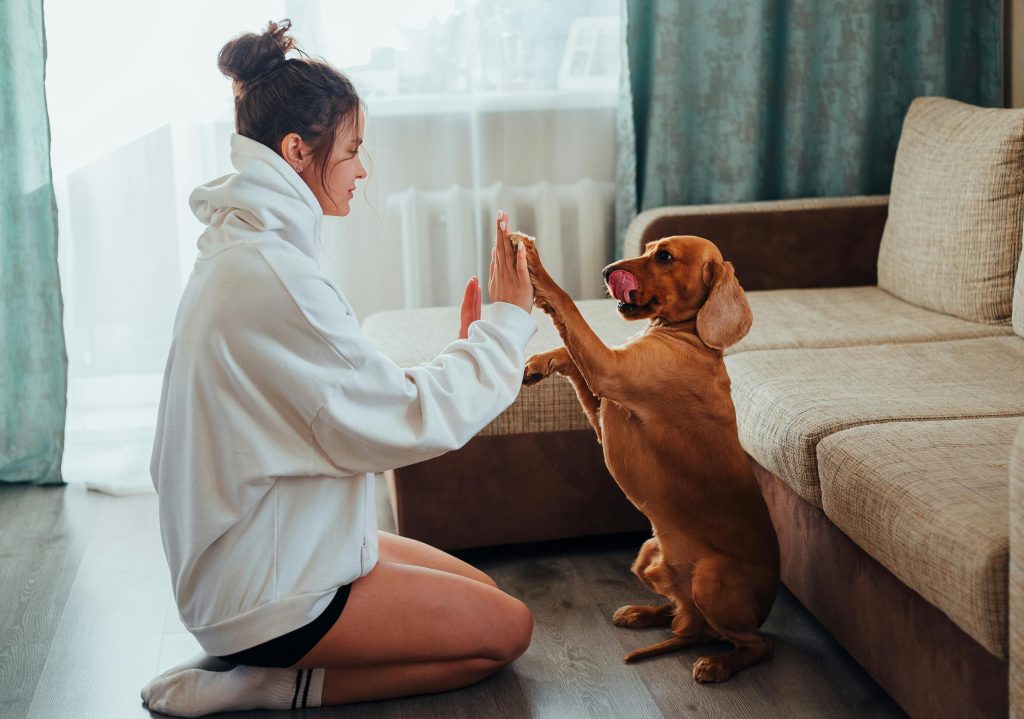
It’s important to help your newly adopted dog develop good habits from the very start. Before bringing them home, decide on any rules you want to have in place so they can be consistently applied from day one, preventing confusion later. Ensure all family members follow the same rules to avoid frustrating or confusing the dog.
When you arrive home, take your dog straight to the area where you will be happy for them to go to the toilet. Keep them in that area until they go, praise them afterwards, and only then take them into the house. Dogs are creatures of habit and will return to the same places to go to the toilet.
Keep your dog on a lead in parks or on the beach for the first few weeks. Give them time to bond with you and practice recall in secure areas.
Avoid scolding or punishing your dog when issues arise, as this can make them anxious or uncomfortable and damage the bond you’re building. Punishment often leads to confusion and may create additional behavioural problems. Instead, contact the JSPCA for guidance on how to encourage the behaviours you want from your dog.
Hold off on letting friends and family visit your new dog during the first few days. Your dog needs time and space to feel comfortable with you before meeting new people.
Keep your daily routine as consistent as possible from day one. Making exceptions, even to compensate for the dog’s time at the shelter, can set a precedent that may affect their behaviour long-term.
Exercise and Behaviour
All dogs need daily exercise, which can include playing with toys, gentle walks, sniffing and exploring, or running around. Regular activity keeps your dog stimulated, healthy, and fit. The type and amount of exercise should match your dog’s breed, age, health, and fitness. Choose a dog that fits well with your lifestyle and family.
A dog’s behaviour is shaped by their breed, genetics, past experiences, temperament, and environment. Sudden changes in behaviour may indicate a medical issue, so it’s important to have them checked by a vet. A qualified dog behaviourist or trainer can help you understand your dog’s behaviour and implement appropriate training.
Time home alone
It is advisable that dogs aren’t left home alone for more than 4-5 hours at a time. If you need to leave your dog for an extended period, make arrangements for someone else (such as a friend, family member, neighbour, or professional dog walker) to check on them or take them for a walk. Keep in mind that some dogs can only be left alone for very short periods; it all depends on the individual dog.
Dogs need regular opportunities to go to the toilet throughout the day. How often this is required depends on the individual dog—puppies and senior dogs may need to go more frequently than adult dogs.
Dogs should be exercised before being left home alone so that they are more likely to rest when they’re left. A dog that is bored might become destructive, they might bark a lot or get up to other mischief. Leave things for your dog to do, such as appropriate things to chew, a filled Kong or toys they enjoy playing with on their own.
Cleaning
It is a dog owner’s responsibility to pick up their dog’s poo on walks. You can buy poo bags from pet shops, online or in the pet sections of other shops. It is best to buy the right size poo bag for your dog; larger breeds need larger bags. The bag of poo needs to be put in the bin as soon as possible and not left behind on the walk.
How often your dog needs a bath depends on the dog; generally, once a month will be fine, but if your dog gets very dirty on a walk, you may need to bathe them afterwards. Some dogs with skin problems may need to be bathed more frequently and with special shampoo based on advice from the vets.
Diet
When you take your new dog home, you should continue feeding the diet they were fed while at the JSPCA until they settle in. If you wish to change the dog’s diet after this time, it is advisable to do this gradually over a period of 5-7 days to avoid any gastrointestinal upset. Dogs can have diarrhoea due to stress, and even moving to a new home can trigger it. If their diet is changed abruptly at the same time, the likelihood of diarrhoea increases significantly. As omnivores, dogs require a high-quality, complete diet to maintain optimal health.
It is common for dogs to lose their appetite when they first arrive in a new home, as the change can be stressful. Continue offering the food they were eating at the shelter, and if they still refuse to eat after a couple of days, contact the JSPCA for guidance on how to encourage them to eat. Avoid mixing in very high-value foods, such as meat, as this can make it difficult for your dog to return to their regular diet once they’ve tasted something more appealing.
The manufacturer’s instructions usually indicate the quantity food a dog will need each day. This may need to be adapted slightly, according to the animal’s appetite, activity levels and weight. Feeding dogs a complete and balanced dry food can also help keep their teeth and gums healthy.
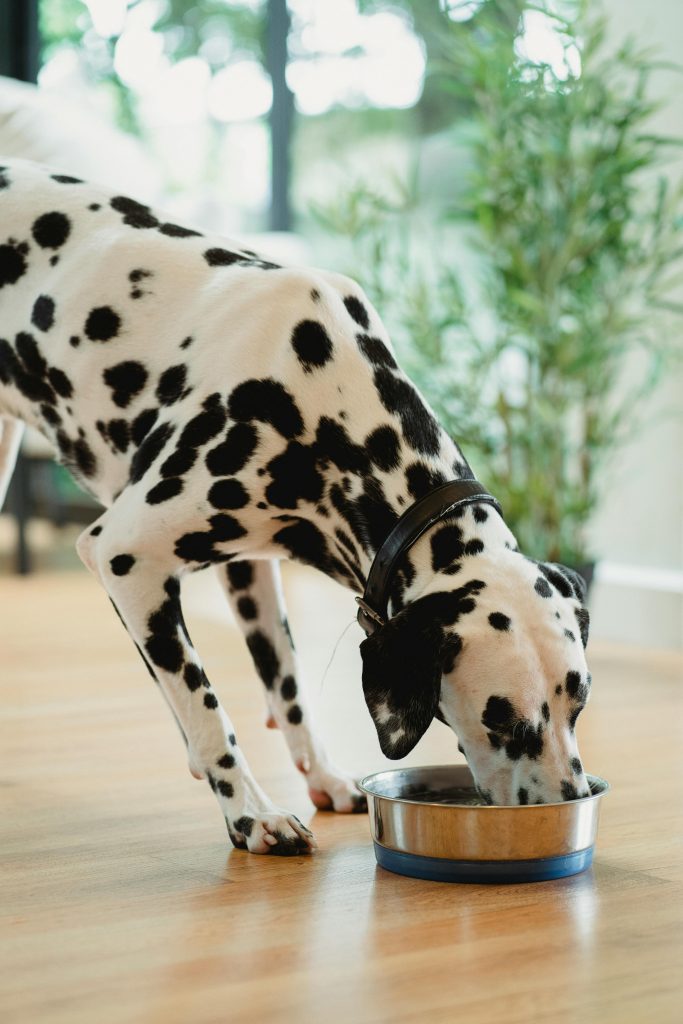
The dog should always be fed from their own food bowl and any uneaten food removed before it goes stale. Fresh water must be available at all times and should be provided in a separate dish.
Obesity is commonly seen in dogs. Dogs should not be overfed, as being overweight can lead to health complications.
Be careful of the titbits you feed your dog and ensure your dog can’t steal food they shouldn’t have. Foods such as chocolate, onions, grapes and raisins can be poisonous. If they do ingest any of these items, you must contact your vet immediately.
Company
Dogs are social animals and need company. Generally, they prefer the company of their human family to other animals, which is why they shouldn’t be left on their own for very long periods, as they can become bored, lonely and distressed.
If your dog likes the company of other dogs, they will enjoy the opportunity to meet other dogs on their walks. Just make sure the other dogs are friendly before allowing your dog to go up to them.
Handling
In general, dogs enjoy attention, cuddles, and being close to their human companions. However, some dogs may not appreciate all types of handling. The JSPCA assesses each dog and can advise potential adopters about any specific dislikes or sensitivities.
Dogs shouldn’t be touched when they are eating, busy with a chew or sleeping.
Some dogs may be uncomfortable with certain types of handling, such as nail trimming, ear cleaning, or grooming in specific areas. Handle these activities with care, and reward your dog with a tasty treat afterwards so they learn to associate them with a positive experience.
It’s important to pay attention to a dog’s body language. This poster shows the body language of a dog that is uncomfortable and therefore becoming stressed. If your dog shows any of these behaviours, you need to give them space.

If this body language is ignored, the dog will be forced to use less subtle language, such as growling or showing teeth. It is advisable not to tell a dog off or use any other form of punishment when they are saying they are uncomfortable because you are punishing them for giving a warning, and without a warning, the dog might just bite.
Children might not notice this subtle body language, which is why parents should watch for it when children and dogs are interacting.
Health and Welfare
All dogs adopted from the JSPCA are neutered, microchipped and up to date with their vaccinations, flea and worm treatments. You will need to register your dog at a veterinary surgery before they are adopted.
Vaccination is essential for all puppies and dogs and helps to protect them against viruses that can be fatal. After an initial course of inoculations, dogs require a booster vaccination every year. Annual vaccinations also allow your vet to give your dog a check-up. Dogs also need regular flea and worm treatments, which can be obtained from the vet. If your dog develops any symptoms that are different from the normal, call your vet for advice and to book an appointment if necessary. Dogs can suffer from a range of infectious diseases and other illnesses, but individual dogs show pain and suffering in different ways. A change in the way a dog behaves can be an early sign that he/she is ill or in pain.
Pet insurance is recommended to help pay for bills, as any injury or illness can become quite costly.
Dogs with long or double coats, such as Huskies, German Shepherds, Shih Tzu’s or poodle types, should be groomed daily, and short-haired dogs can be groomed weekly. This is really important to prevent matting, which can be painful. Long claws need to be trimmed; your vet should be able to do this, although your dog’s claws are likely to be maintained when they go out for walks.
If you obtain a dog from somewhere other than JSPCA, please be wary of puppy farms and ensure that you meet the mom and the puppies in person before buying. Puppy farms are very good at hiding how cruel their establishments are, and they don’t advertise the puppies as ‘puppy farmed’. These puppies are more likely to have serious health and behaviour problems. You need to find a reputable breeder to buy from. If you get a rescue dog from another organisation, ensure that they offer back-up should your circumstances change and you aren’t able to look after the dog once you have adopted them.
Dog Law
You are required to have a licence to keep dogs, which you can obtain from your local Parish Hall.
A dog must also wear an ID tag with the name of the dog, the telephone number of the owner and the dog’s licence number on it. The tag must be on the collar.
Dogs are not allowed to worry livestock.
Dogs must be kept under control. They are considered out of control when they are causing or have caused death, injury or other harm to an individual, a domestic animal or livestock; or their behaviour gives, or has given, rise to alarm or apprehension on the part of an individual for the individual’s own safety, the safety of another individual or the safety of a domestic animal or livestock, and that alarm or apprehension is, in all the circumstances, reasonable.
More information can be found at https://www.jerseylaw.je/laws/revised/Pages/02.550.aspx
Shopping list
- Bed
- Bowls for food and water
- Food
- Poo bags
- Collar
- ID tag
- Lead
- Harness
- Toys
- Treat pouch