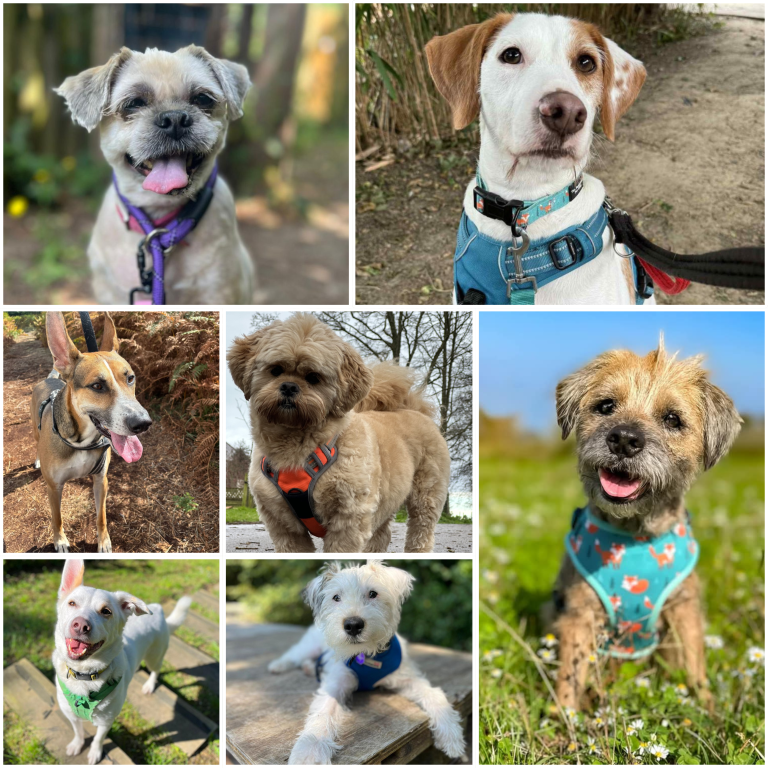
At the JSPCA, your new adopted dog will be introduced to your resident dog before adoption. They will be walked and allowed off-lead together before the new dog goes to their home. This helps ensure, as much as possible, that they will get along. Once they move in together, it is still important to put things in place to ensure the resident dog and adopted dog live in harmony together.
On adoption day
Take both dogs for a walk together before taking them home. This gives them another chance to bond over a good experience and allows them to be interested in other things and not just focused on each other. Keep the dogs separate in the car initially until they have a very strong bond and are happy to be that close to each other for journeys.
Before picking up the new dog, make sure there aren’t any potential sources of competition lying around, as you don’t want the dogs to fight over special items whilst trying to build a bond between them. Put away all chews, toys and food bowls. Make sure you have beds and water bowls for both dogs, and make sure they have enough space and can get away from one another if they want to.
Remember that your new dog is adjusting to an unfamiliar environment, new people, new routine, new smells and your resident dog and may feel anxious. It’s important to give them the time and space they need to settle in and become comfortable. They need to learn the layout of the house, the dynamics in the house and their new routine. This may take days, weeks or months for the new dog dependent on various factors, including their temperament and how well the new relationships are going. Try to get your resident dog to give them space, perhaps take your dog out for a little while so that the new dog can get to know where everything is without being disturbed. Sticking to the same routines, such as feeding times, walking times, and consistent rules, creates stability, helps the new dog settle in quicker and reduces stress.
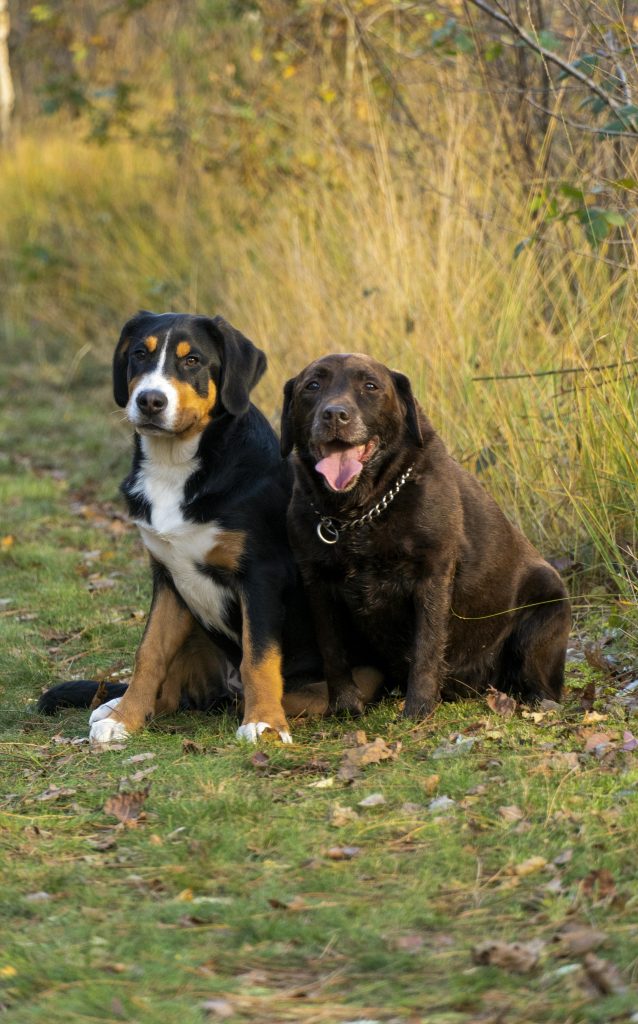
In the first few weeks, try to avoid situations that may cause aggravation between the dogs. Feed them apart until they are used to each other, keep them separate when given chews, separate them before answering the door and do not make such a fuss of the new dog that your old dog feels excluded. Care should be taken not to leave them alone together until it is obvious that they have become friends.
Monitor them when playing with toys and look out for positive body language or any tension. If there is any tension, then they should possibly only play with toys when supervised or when separated. This may change over time as their bond grows, but it could potentially be something that owners will always need to manage. Monitor the dogs when playing and watch their body language. Positive signs are that the game looks fun for both dogs, their body language is loose and wiggly, you might see play bows, self‑handicapping where larger dogs tone down their play for smaller dogs, taking turns to “win” or be on top, pauses in play where they stop and look at each other or say hi to their owners briefly, bouncy, exaggerated movements, open-mouth “soft” play and happy vocalisations. Signs that would indicate you may need to pause the game: Mounting, this can be playful, but is often stress‑related, and generally dogs don’t enjoy it happening to them, rough play between dogs without turn-taking, especially those with a big size difference, and vocalisations that don’t seem friendly.
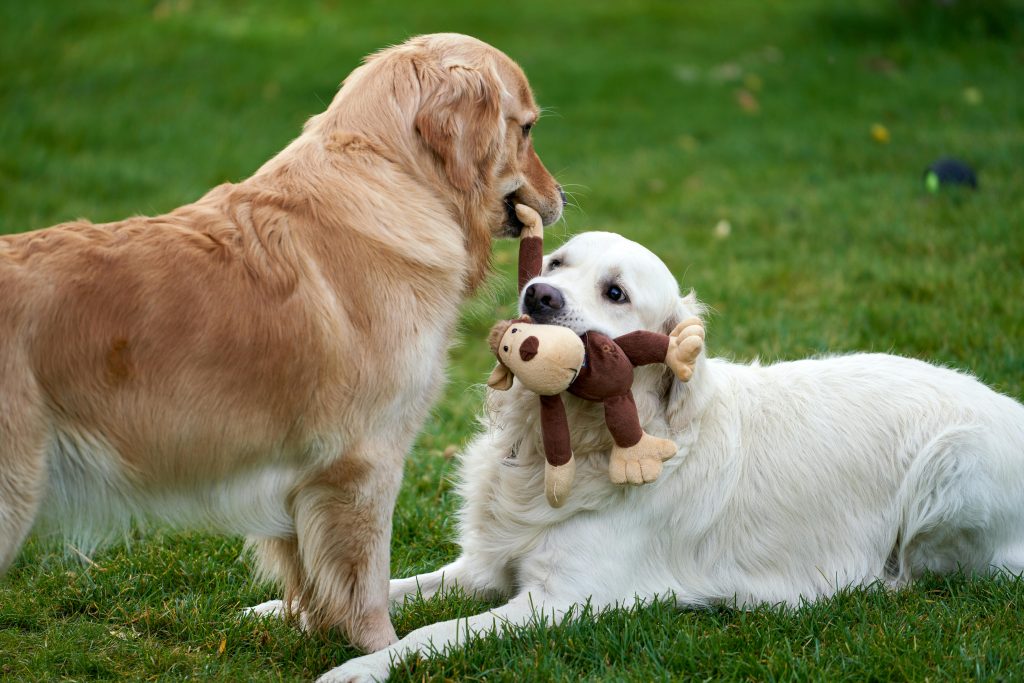
Signs that you should stop the play altogether are: mouth going over the back of the neck, stiff or very still body language, hard stares, lip lifting, growling or snarling, chasing or play where one dog looks scared, the dogs aren’t taking any breaks and any vocalisations that indicate pain, such as a squeal.
If there’s any tension between the dogs while they’re settling into their new home and adjusting to one another, avoid telling them off or punishing them. Doing so could cause them to form a negative association with each other’s presence. Instead, try to understand what the problem is, how it can be avoided, and a positive way to help them overcome any issues, such as rewarding the behaviours you do like.
If you are having any problems, contact the JSPCA for advice as soon as possible before it escalates into anything serious and more difficult to resolve.