
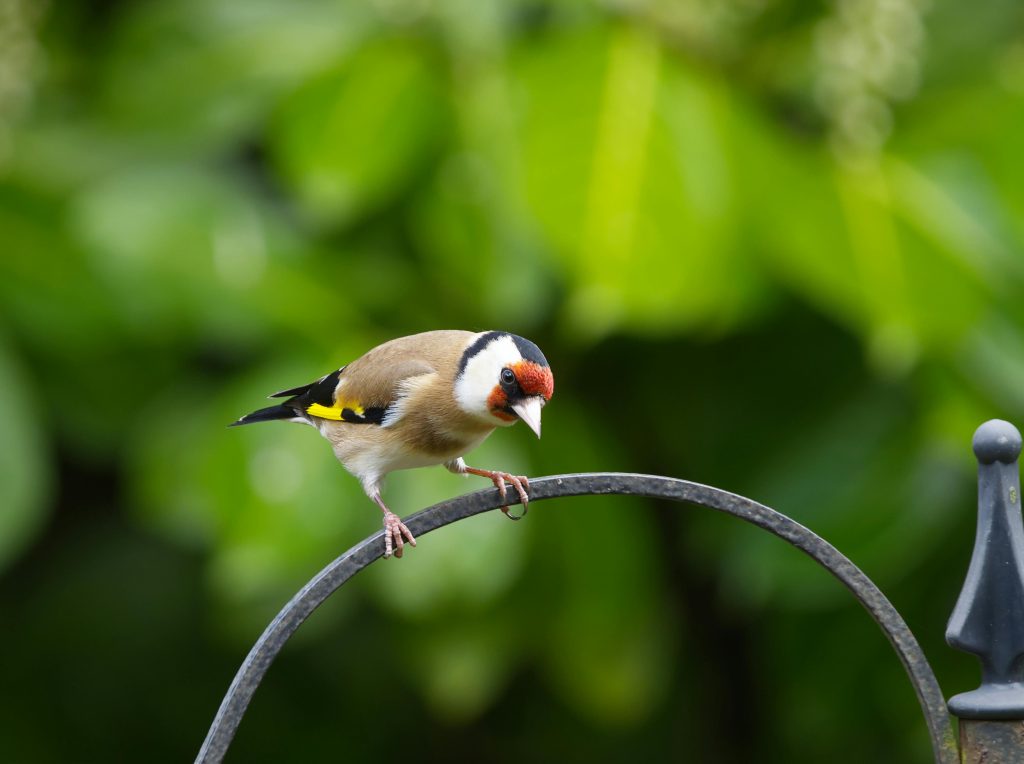
Supporting Birds
1. Feed seasonally
2. Feed safely
- Clean your bird feeders and water baths at least once a week. Good hygiene is essential. Be sure to also clean away any old food or droppings from beneath feeders.
- Place your bird feeders in a different spot every week. This will help to prevent any build-up of potentially contaminated debris underneath. If you have more than one feeder, put them in different areas to reduce the number of birds in one place and the mixing of different species.
- Avoid putting feeders under places where birds roost, such as under trees. This will help to avoid contamination through droppings.
- Don’t use bird feeders with flat surfaces, such as bird tables, window feeders and feeders with trays. Research has confirmed that there’s a higher risk of disease spreading on flat surfaces, where contaminated food can collect.
- Feed in moderation. Make sure all the food you put out is eaten within one to two days. Adjust the amount you offer based on demand to avoid overfeeding.
- Keep food as dry as possible. Damp food allows disease to survive and spread. Choose feeders that prevent rain getting in and limit condensation.
- Change water in bird baths daily. Only offer water if you’re able to change it every day and make sure it’s tap water. A pond is the best way to provide birds and other wildlife with water.
- Help birds find their own food. One of the best ways to support garden birds in the long-term is to help them find their own food. So fill your outdoor space with bird-friendly plants – such as sunflowers, teasels and ivy. These help provide natural food sources for birds.
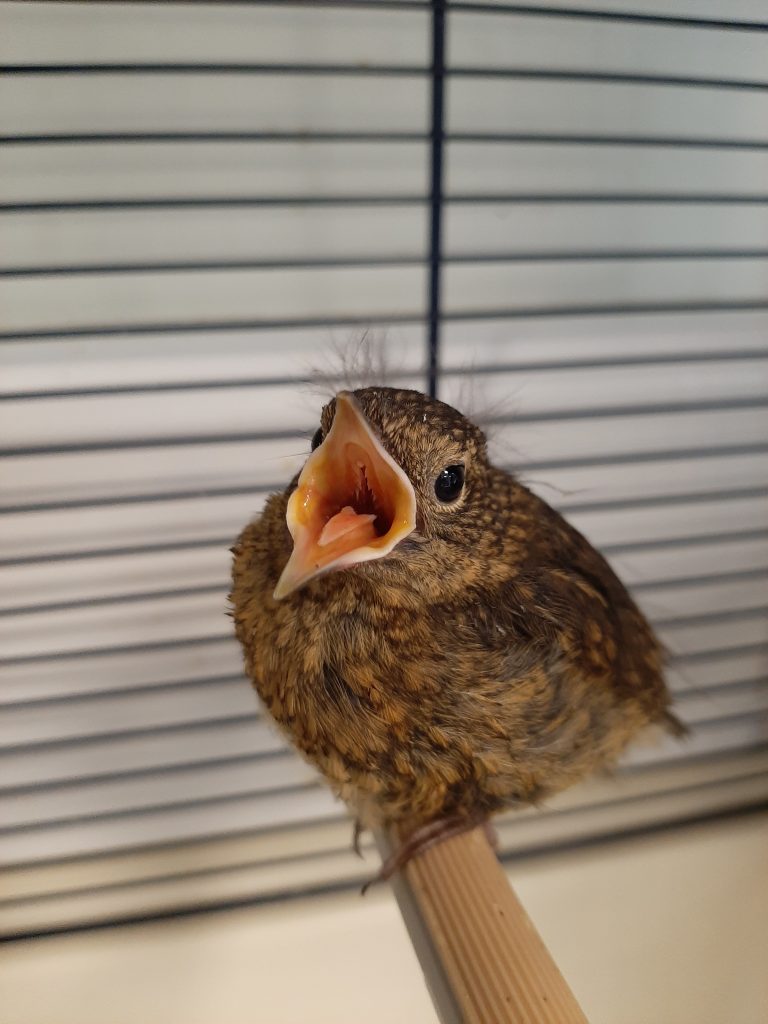
IMPORTANT: Keep it clean! Refill your feeder with fresh food regularly to reduce the risk of disease and bacterial build-up. Remove old food and debris every time you top up, and clean feeders weekly using a pet-safe disinfectant. If you notice a sick bird using your feeder, stop feeding altogether for 2–4 weeks. It’s also a good idea to move feeders occasionally to prevent droppings from building up underneath. Water containers should be rinsed daily, especially during warmer months, and allowed to dry fully before adding fresh water.
Supporting Squirrels
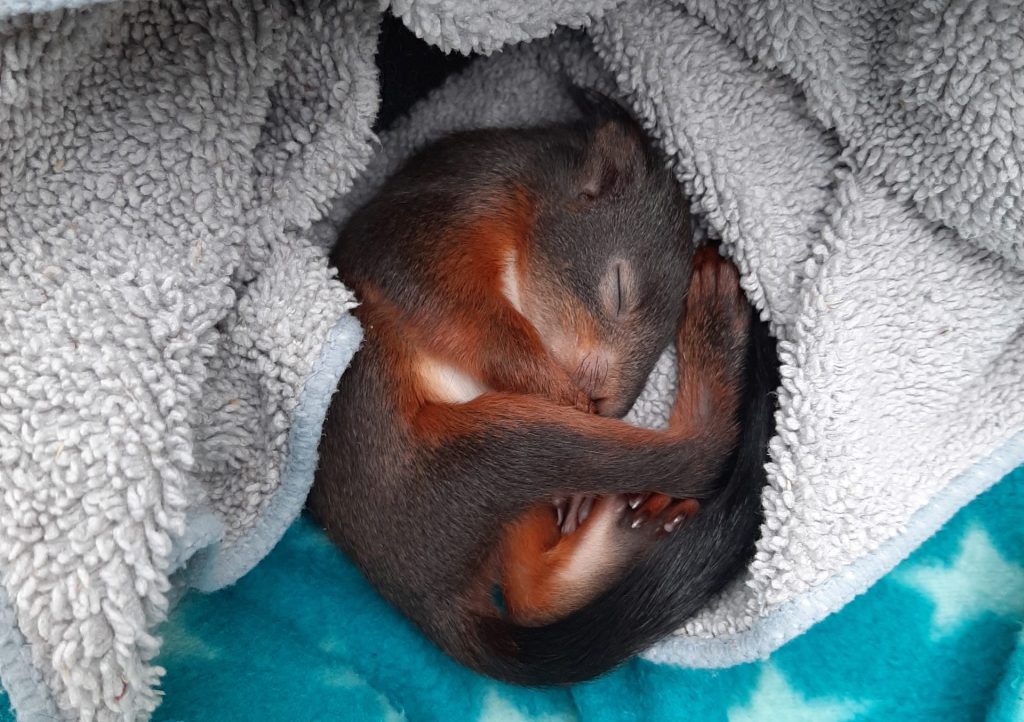
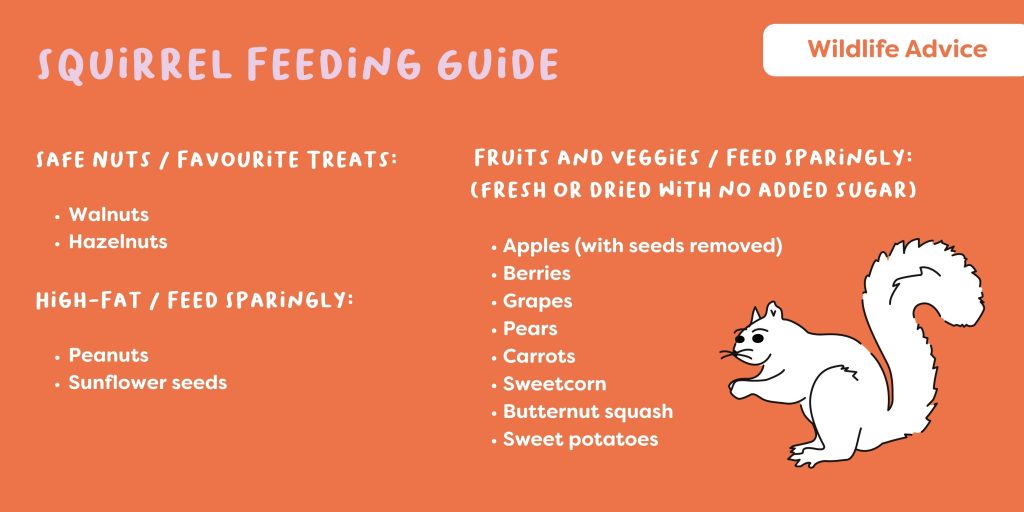
Like birds, squirrels can greatly benefit from artificial homes. Squirrel houses provide a cosy, sheltered space for the squirrels in your garden to rest, nest, and raise their young. By offering a dedicated refuge, you can support these charming (and occasionally mischievous) garden visitors throughout the year. Be sure to keep nest boxes high off the ground and away from predators.
Take a look at these purpose-built squirrel boxes from Ark Wildlife, designed with the needs of red squirrels in mind.
Supporting Hedgehogs
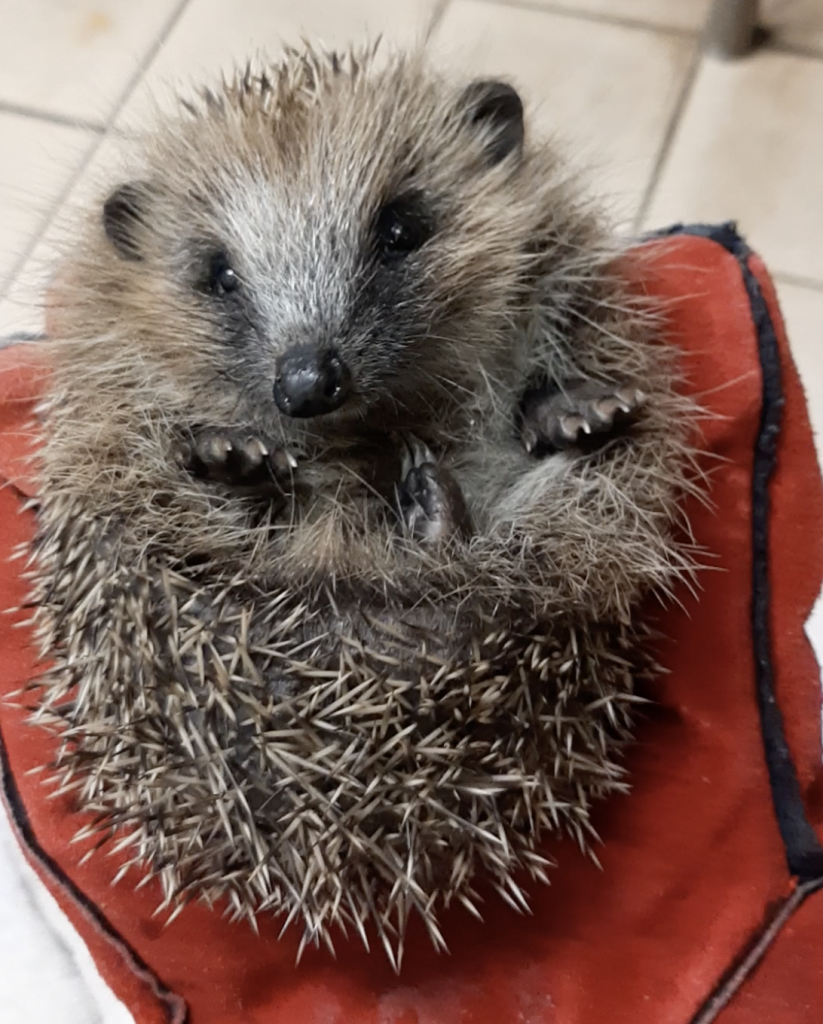
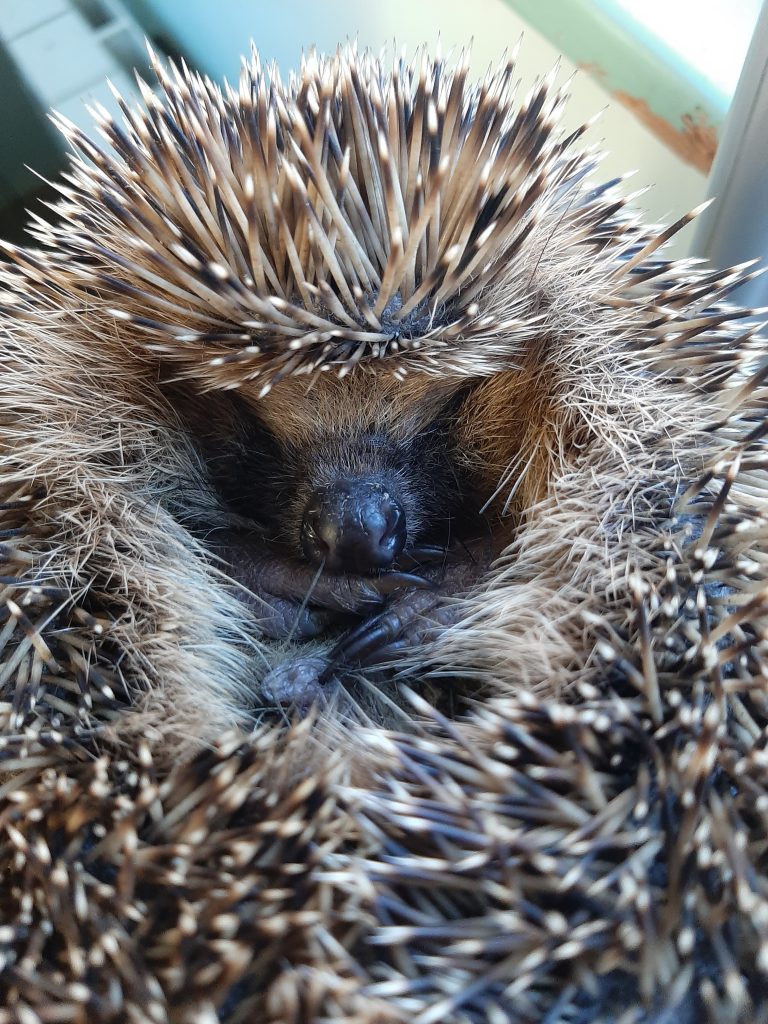
Bug Hotels / Flowers / Wildlife Ponds
- Hollow bamboo canes or paper tubes for bees
- Straw, hay, or dried leaves for ladybirds and lacewings
- Bark, pinecones, or small logs for beetles and woodlice
- Avoid using treated wood or chemicals
- Don’t clean it too often -bugs like a bit of mess!
- You can add multiple compartments or layers to attract a variety of species